

If you own a location-based business, ranking higher in Google’s local results can significantly enhance your visibility, drive web traffic, and attract more customers. Local SEO is a vital strategy for ensuring your business appears in local searches, whether users are looking for services in your city or the best local providers in your area. Let’s explore how to optimize your business for effective local search success.
1. Optimize Your Google Business Profile
Your Google Business Profile (formerly Google My Business) is the cornerstone of local SEO success.
- Complete Your Profile: Ensure all fields are filled, including your business name, address, phone number, website, and operating hours. Don’t leave any section blank.
- Select Appropriate Categories: Choose categories that best describe your business. Select a primary category and add relevant secondary categories to maximize your visibility across different search queries.
- Add Photos and Videos: Upload high-quality images of your business location, products, services, team members, and interior/exterior shots. Add videos when possible to make your profile more engaging and stand out from competitors.
- Encourage Reviews: Ask satisfied customers to leave positive reviews. Make it easy by sending follow-up emails with direct links to your review page.
- Respond to Reviews: Engage with customer feedback, both positive and negative, to show you value their input. Respond promptly and professionally to build trust with potential customers.
- Keep Information Updated: Regularly update your hours, especially during holidays, and add special attributes that apply to your business (women-owned, wheelchair accessible, etc.).
A well-maintained Google Business Profile helps your business appear in the Local Pack and significantly improves its credibility and click-through rates.
2. Implement Local Business Schema Markup
Schema markup is structured data that helps search engines understand your business information and can improve how your site appears in search results.
- Add LocalBusiness Schema: Implement structured data on your website that includes your business name, address, phone number, hours, and other relevant details.
- Use Specific Schema Types: Depending on your business type, use more specific schemas like Restaurant, LegalService, or MedicalBusiness for enhanced visibility.
- Include Reviews Schema: Add review markup to display star ratings in search results, which can significantly improve click-through rates.
- Validate Your Markup: Use Google’s Rich Results Test to ensure your schema is implemented correctly and can be read by search engines.
Schema markup gives search engines clear, structured information about your business, improving your chances of appearing in rich results and local searches.
3. Get More NAP Citations
- NAP citations refer to your business’s Name, Address, and Phone Number listed across various online directories. Consistency in these details is crucial for local SEO.
- Submit to Local Directories: Add your business to directories such as Yelp, Yellow Pages, Bing Places, Apple Maps, and industry-specific platforms relevant to your business.
- Ensure Consistency: Your NAP details should be identical across all platforms, including punctuation, abbreviations, and formatting. For example, if you use “Street” on one platform, don’t use “St.” on another.
- Leverage Local Listings: Use services like Moz Local, BrightLocal, or Yext to manage and monitor your citations across multiple platforms efficiently.
- Claim Unlisted Citations: Search for mentions of your business online and claim any unverified listings to take control of them and ensure accuracy.
- Build Industry-Specific Citations: Don’t just focus on general directories—get listed on industry-specific platforms that are relevant to your business type.
Accurate and consistent citations signal to Google that your business is legitimate, established, and locally relevant.
4. Start Tracking Your Rankings in Google
- Understanding where your business stands in local search rankings is essential for measuring progress and making data-driven improvements.
- Use Rank Tracking Tools: Tools like Ahrefs, SEMrush, BrightLocal, or Whitespark Local Rank Tracker can help you monitor your local search performance across different locations.
- Focus on Relevant Keywords: Track rankings for keywords that your target audience is likely to use, including service + location combinations and “near me” search behavior.
- Monitor Competitors: Keep an eye on how your competitors are performing in local search and identify areas where you can improve or differentiate.
- Analyze Google Analytics and Search Console: Evaluate traffic sources, user behavior, and search queries to understand which strategies are working and which pages are driving local traffic.
- Track Local Pack Visibility: Monitor whether you’re appearing in the Local 3-Pack for your target keywords, as this is prime real estate for local searches.
Tracking your rankings provides insights into what’s effective and what needs adjustment in your local SEO strategy. By regularly analyzing your rankings, you can identify trends and patterns that highlight both strengths and weaknesses in your approach. This ongoing evaluation is essential for understanding search engine optimization, as it enables you to fine-tune your tactics based on real performance data. Ultimately, adapting to these insights ensures you stay competitive in the local market and enhances your visibility to potential customers. Incorporating comprehensive data analysis into your approach allows you to align your efforts with the specific needs of your target audience. By leveraging effective albuquerque seo strategies for success, you can optimize your content and local listings to better connect with potential customers. This focused effort not only improves your search rankings but also drives meaningful engagement with your business.
5. Optimize On-Page SEO Elements
- Your website’s on-page elements play a crucial role in helping search engines understand your local relevance.
- Optimize Title Tags: Include your primary keyword and location in title tags, keeping them under 60 characters.
- Craft Compelling Meta Descriptions: Write unique meta descriptions for each page that include local keywords and a clear call-to-action.
- Use Header Tags Properly: Structure your content with H1, H2, and H3 tags that include relevant local keywords naturally.
- Optimize Image Alt Text: Include descriptive alt text with local keywords for all images on your site.
- Create Location-Specific URLs: Use clean, keyword-rich URLs that include location identifiers when appropriate.
Proper on-page optimization helps search engines understand your content’s relevance to local searches and improves your overall visibility.
6. Use Local Keywords in Content
- Targeting local keywords ensures your content resonates with your audience and helps Google understand your relevance to local searches.
- Incorporate Location Names: Use the names of your city, neighborhood, county, and area in titles, meta descriptions, headers, and body content naturally.
- Write Localized Blog Posts: Create content that focuses on local events, news, guides, or community topics. For example, “Top Marketing Trends in [Your City]” or “How [Your City] Businesses Can Improve Online Visibility.”
- Optimize Landing Pages: Develop dedicated landing pages for each location you serve, ensuring they include local keywords, unique content, contact information, and area-specific details.
- Create Location Pages: If you serve multiple areas, create individual pages for each location with unique content, local testimonials, and area-specific information.
- Use Natural Language: Write for your audience first, incorporating local keywords naturally rather than forcing them in awkwardly.
Localized content not only improves your rankings but also establishes a meaningful connection with your community and builds local authority.
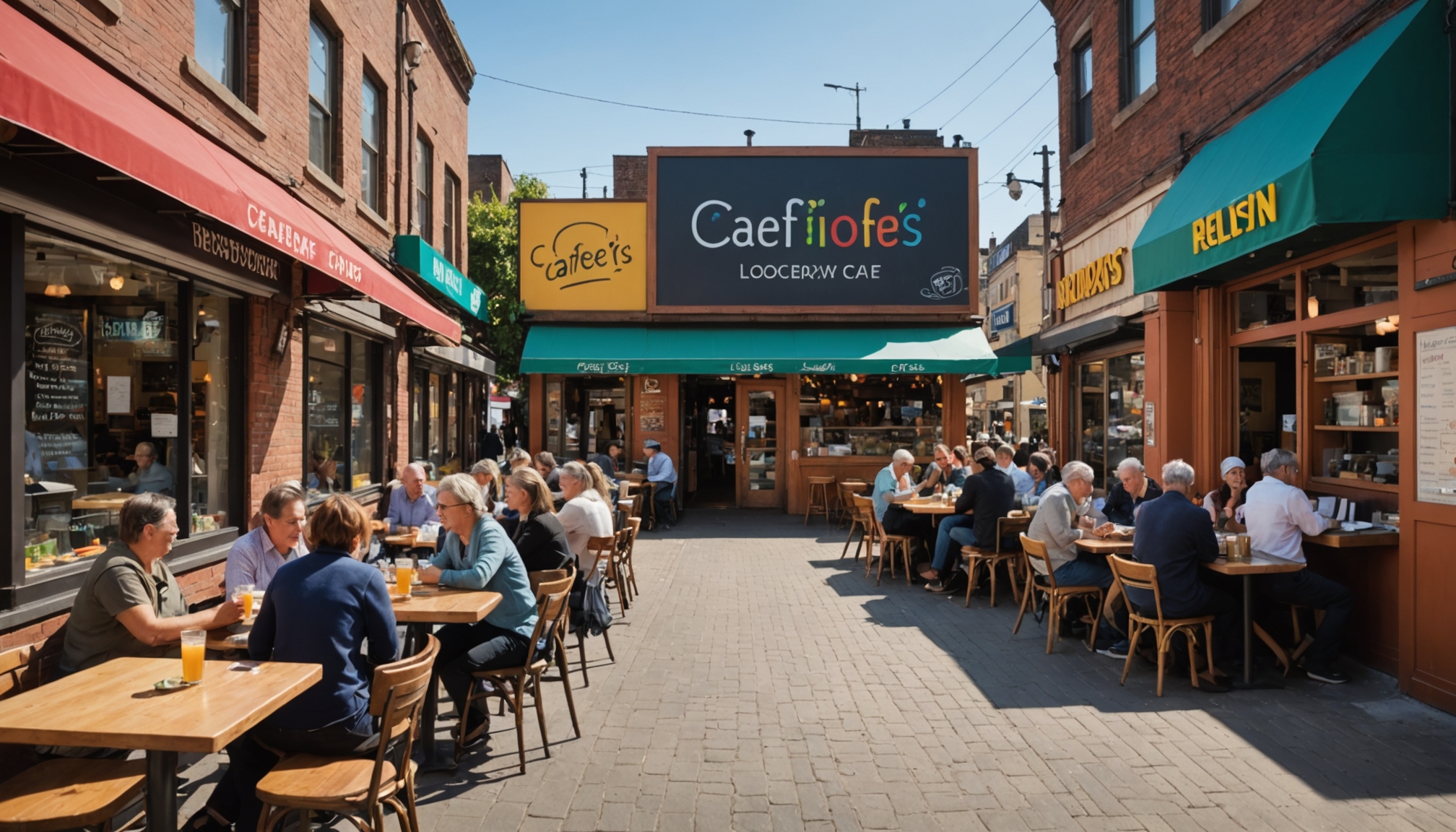
7. Build Backlinks from Local Sources
- Backlinks from local websites and organizations can significantly boost your authority and local search rankings.
- Collaborate with Local Businesses: Partner with complementary businesses for events, co-marketing initiatives, or sponsorships and request backlinks in return.
- Engage with Local Media: Reach out to local newspapers, magazines, blogs, and online publications to feature your business, share expert insights, or contribute guest articles.
- Join Local Associations: Memberships in local chambers of commerce, business improvement districts, or industry groups often include directory listings with valuable backlinks.
- Sponsor Events and Organizations: Sponsoring community events, local sports teams, or charitable organizations can result in mentions and backlinks from event organizers and community websites.
- Get Featured in Local Resource Pages: Many cities have resource pages for local businesses—get your business listed on these authoritative local pages.
- Leverage Local Partnerships: Build relationships with local schools, libraries, or community centers that might link to local businesses.
Local backlinks build trust, demonstrate community involvement, and show search engines that your business is an integral part of the local ecosystem.
8. Focus on Mobile Optimization
- Mobile optimization is critical as the majority of local searches are performed on mobile devices, often with immediate purchase intent.
- Responsive Design: Ensure your website adapts seamlessly to different screen sizes and orientations without losing functionality or readability.
- Fast Loading Speed: Use tools like Google PageSpeed Insights to identify and fix speed issues. Compress images, minimize code, and leverage browser caching.
- Click-to-Call Functionality: Make it easy for users to contact you by making your phone number clickable on mobile devices.
- Simplified Navigation: Ensure mobile users can easily find important information like your location, hours, and services without excessive scrolling or clicking.
- Location-Based CTAs: Include clear calls-to-action like “Get Directions,” “Call Now,” or “Book an Appointment” prominently on mobile.
- Mobile-Friendly Forms: If you use contact forms, ensure they’re easy to complete on mobile devices with minimal typing required.
A mobile-friendly site enhances user experience, reduces bounce rates, and significantly boosts your local SEO performance.
9. Leverage Google Posts and Q&A
- Google Business Profile offers additional features that many businesses overlook but can improve engagement and visibility.
- Publish Regular Google Posts: Share updates, offers, events, and news directly on your Google Business Profile. These appear in your profile and can influence click-through rates.
- Monitor and Answer Questions: Check the Q&A section of your profile regularly and provide helpful answers. You can also seed this section with common questions and answers.
- Use Posts for Promotions: Highlight special offers, new products, or seasonal promotions to encourage more visits and calls.
- Include Calls-to-Action: Use the available CTA buttons in posts (Learn More, Call Now, Book, etc.) to drive specific actions.
Active use of Google’s native features signals that your business is engaged and can improve your visibility in local search results.
10. Encourage User Engagement with Local Content
- Engaging with your audience strengthens your online presence and encourages repeat visits while building community connections.
- Host Local Events: Advertise your events online and optimize event pages with local keywords and clear details.
- Active Social Media Presence: Share updates, promotions, local news, behind-the-scenes content, and community involvement on platforms like Instagram, Facebook, and LinkedIn. Tag local businesses and use local hashtags.
- Interactive Features: Add features like live chat, chatbots, or comprehensive FAQs to answer user queries quickly and improve on-site engagement.
- Showcase Local Testimonials: Highlight reviews and testimonials from customers in your area to build trust and local credibility.
- Create Community-Focused Content: Share stories about your involvement in local causes, employee spotlights, or partnerships with other local businesses.
- Engage with Local Social Media: Comment on local news, participate in community discussions, and build relationships with other local businesses online.
Engagement not only builds customer loyalty but also signals to Google that your business is active, valuable, and deeply connected to your local community.
11. Manage Your Online Reputation
- Your online reputation directly impacts your local search rankings and customer trust.
- Monitor All Review Platforms: Track reviews across Google, Yelp, Facebook, industry-specific sites, and other relevant platforms.
- Develop a Review Generation Strategy: Create a systematic approach to asking satisfied customers for reviews through email, text, or in-person requests.
- Respond Professionally: Reply to all reviews—positive and negative—in a timely, professional, and personalized manner.
- Address Negative Feedback: Use negative reviews as opportunities to demonstrate excellent customer service by addressing concerns publicly and offering solutions.
- Showcase Reviews on Your Website: Display testimonials prominently on your site to build trust with visitors.
A strong online reputation with consistent positive reviews is one of the most influential factors in local search rankings.
Conclusion
Ranking higher in Google’s local results requires a comprehensive approach that combines technical optimization, content creation, community engagement, and reputation management. By optimizing your Google Business Profile, implementing schema markup, building consistent citations, creating localized content, earning local backlinks, ensuring mobile optimization, and actively managing your online presence, you can effectively attract local customers and grow your business in your target market.
Local SEO is an ongoing process that requires regular monitoring, updates, and adjustments based on performance data and algorithm changes. Stay committed to these strategies, and you’ll see sustained improvements in your local search visibility.
Want to dominate local search results and attract more customers in your area? Digital Blacksmiths specializes in local SEO strategies that help businesses achieve top rankings in Google’s local search results. Our proven approach combines technical expertise with deep understanding of local markets to drive measurable results for your business.
FAQs
1. What is local SEO?
Local SEO focuses on optimizing your online presence to attract more business from relevant local searches on Google and other search engines. It helps location-based businesses appear in local search results when potential customers search for products or services in their area.
2. How does Google’s Local Pack work?
The Local Pack (also called the Map Pack or 3-Pack) is a section of Google search results that shows the top three local businesses related to a query, along with a map showing their locations. Appearing in the Local Pack can significantly increase visibility and drive more customer inquiries.
3. How can reviews impact local SEO?
Positive reviews are a major ranking factor in local search. They build trust with potential customers and signal to Google that your business provides quality service. The quantity, quality, and recency of reviews all influence your local rankings. Responding to reviews also demonstrates engagement and can improve your visibility.
4. What are NAP citations?
NAP citations are mentions of your business’s Name, Address, and Phone Number on various online platforms, directories, and websites. Consistent and accurate NAP details across the web boost local SEO by confirming your business’s legitimacy and location to search engines.
5. How do I optimize my Google Business Profile?
To optimize your profile: complete all fields with accurate information, choose relevant categories, upload high-quality photos and videos, regularly post updates, encourage and respond to customer reviews, keep your hours current, and add all applicable business attributes.
6. Why is mobile optimization important for local SEO?
Most local searches are conducted on mobile devices, often by people looking for immediate solutions nearby. A mobile-optimized site ensures better user experience, faster loading times, and easier access to important information like your phone number and location, all of which improve local rankings and conversions.
7. What is schema markup and why does it matter?
Schema markup is structured data code added to your website that helps search engines understand your business information. It can enhance how your site appears in search results with rich snippets like star ratings, business hours, and pricing, improving click-through rates and visibility.
8. How long does it take to see results from local SEO?
Local SEO typically takes 3-6 months to show significant results, though some improvements may be visible sooner. The timeline depends on factors like competition, your starting point, the comprehensiveness of your optimization efforts, and how consistently you implement best practices.
9. Should I focus on Google only or other platforms too?
While Google dominates local search, you should also optimize for other platforms like Bing Places, Apple Maps, Yelp, and industry-specific directories. A comprehensive approach ensures maximum visibility across all platforms where potential customers might find you.
10. How can Digital Blacksmiths help with local SEO?
Digital Blacksmiths specializes in comprehensive local SEO strategies, helping businesses achieve top rankings in Google’s local search results through proven tactics including profile optimization, citation building, content creation, reputation management, and ongoing performance monitoring. We develop customized strategies based on your specific market, competition, and business goals.
